August 26, 2026 · Gold Line Striping
Best Temperature for Parking Lot Striping: The 50 to 95 Degree Rule
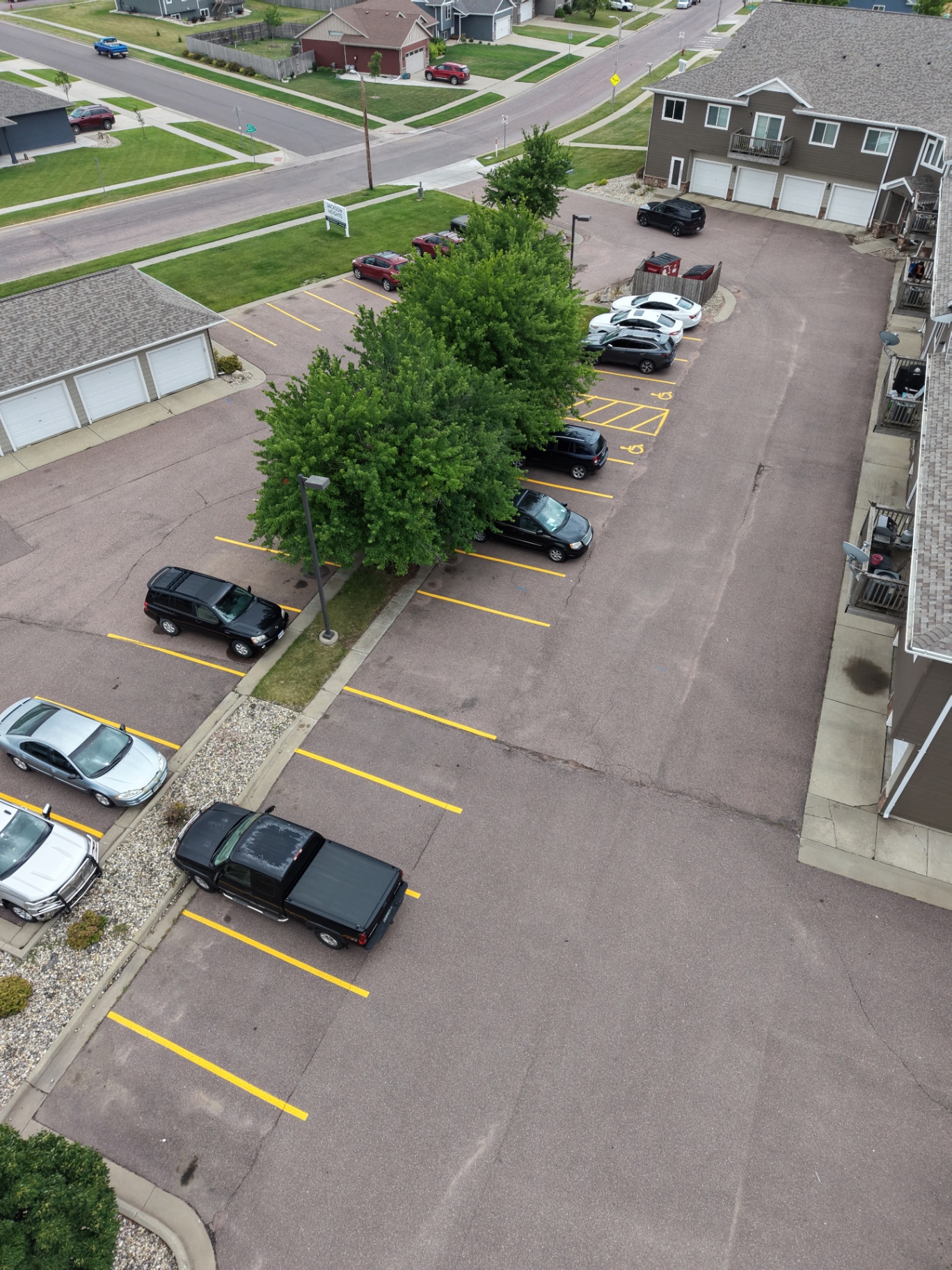
Every spring the phone starts ringing the same week the snow melts. Property managers across Sioux Falls want their lots striped right away, and we understand why. Faded lines cost you parking capacity and make the whole property look tired. But there is one thing that decides when a job actually gets on the schedule, and it is not our calendar. It is the thermometer. The short version is simple. We do not apply striping paint when the surface temperature is below 50 degrees, and we do not apply it when the heat climbs above 95 degrees.
That window is not a preference. It is how commercial grade traffic paint is designed to work. Paint cures through evaporation and film formation, and both processes depend on temperature. When the pavement is colder than 50 degrees, the water in the paint evaporates too slowly and the binder never fuses into a solid film. The line might look fine for a few days, then it tracks, smears, or peels away the first time tires turn on it. On the hot end, pavement above 95 degrees flash dries the surface of the paint before the body of the line can bond to the asphalt. You end up with a brittle skin that cracks and pops off, which is money painted straight onto the ground. If you want the chemistry version, the paint manufacturers publish the same limits in their technical data sheets, and the Federal Highway Administration pavement marking research backs them up.
Cold weather causes more failed striping jobs in South Dakota than anything else. Asphalt holds cold long after the air feels comfortable, so a sunny 55 degree afternoon in April can still mean pavement sitting in the low 40s. We check surface temperature with an infrared thermometer before a single line goes down, not just the forecast on a phone. The overnight low matters too. If paint goes down at 52 degrees and the temperature drops below freezing that night, the uncured film can freeze and the bond fails. That is why we watch the 24 hour forecast, not just the moment we start spraying. Our post on how South Dakota winters ruin parking lot lines covers what a bad season does to paint that was applied correctly, so you can imagine what it does to paint that never cured in the first place.
Heat gets less attention, but the upper limit is just as real. Dark asphalt in direct July sun can run 30 to 40 degrees hotter than the air temperature. An 85 degree afternoon can put the pavement well past 120, which is far beyond the 95 degree ceiling we work under. The fix is scheduling. During the peak of summer we start jobs early in the morning, and on the hottest days we stripe in sections following the shade. It slows the day down slightly, but it is the difference between lines that last two years and lines that flake by fall.
Humidity and rain ride along with temperature as the other conditions we watch. High humidity slows evaporation the same way cold does, which stretches dry times even when the temperature is in range. Rain is a hard stop. Paint needs a dry surface to bond, and water sitting in the pores of the asphalt is enough to ruin adhesion even if the top looks dry. Industry resources like Pavement Maintenance and Reconstruction magazine recommend the same approach: dry pavement, moderate humidity, and surface temperature inside the product window.
So what does this mean for scheduling your lot. In South Dakota the reliable striping season runs roughly from late April through October, and the sweet spots are May, June, and September when temperatures sit comfortably in the middle of the 50 to 95 range all day. Spring books up fast because every property manager in the region has the same idea at the same time, so the earlier you request a free quote the earlier you land on the calendar. If your lot also needs crack filling or repair work, that has its own temperature requirements and we plan the whole project around the forecast so nothing gets rushed.
The 50 to 95 rule protects you, not us. A crew that will stripe in any weather is a crew that will be back repainting failed lines, usually at your expense. We would rather tell you to wait a week than hand you lines that will not survive the season. When the temperature is right, parking lot striping is fast, affordable, and built to last through the next few South Dakota winters. Get in touch and we will find the first good weather window that fits your schedule.